How Movers Protect Furniture During a Move
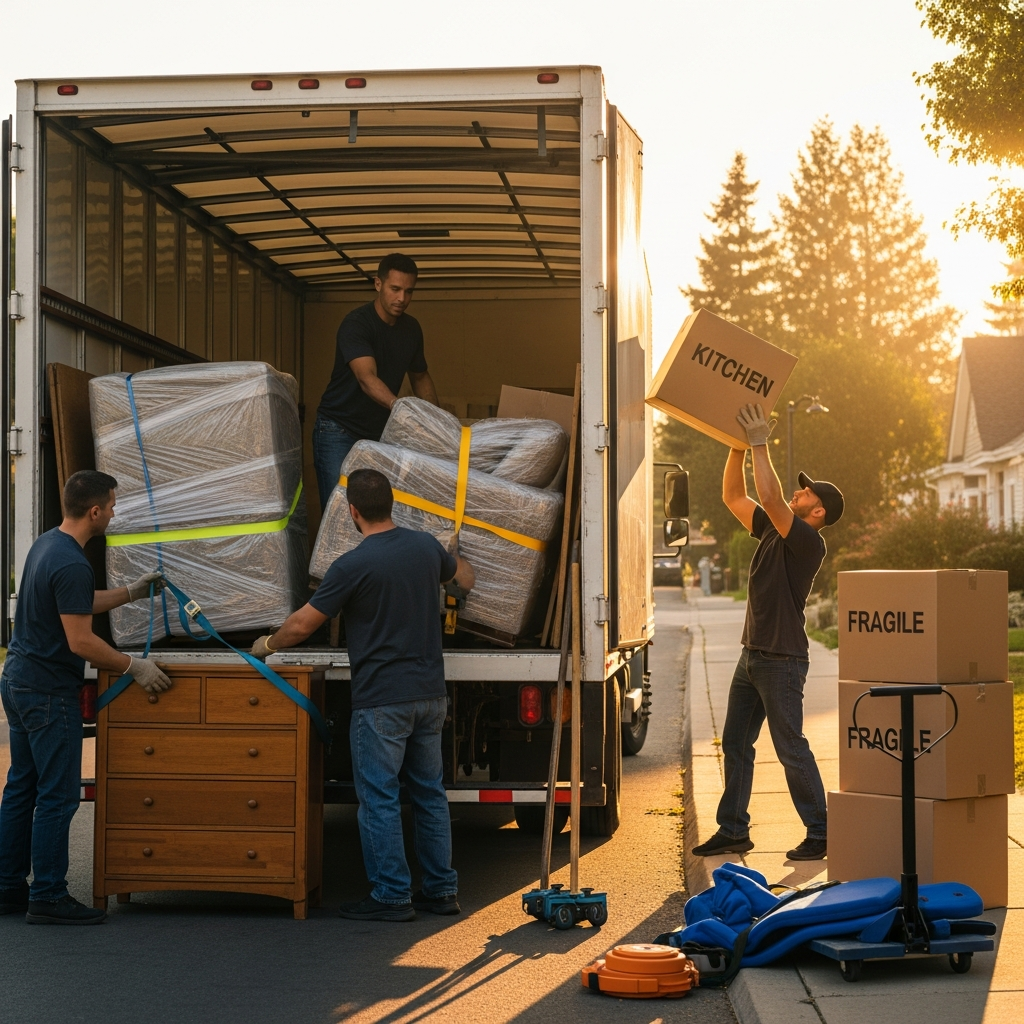
You know that sinking feeling when you’re watching strangers carry your grandmother’s antique dining table down three flights of stairs… and one of them stumbles just slightly? Your heart stops for about three seconds. That table isn’t just furniture – it’s where you ate Sunday dinners as a kid, where you helped with homework, where your family gathered for every holiday. And now it’s in the hands of people who, let’s be honest, you met about twenty minutes ago.
We’ve all been there. Standing helplessly as our most treasured possessions get wrapped in mysterious blankets and loaded into trucks by people who seem to handle everything with the same casual efficiency – whether it’s your irreplaceable family heirloom or a random box of kitchen towels.
The thing is, moving companies know something most of us don’t: furniture protection isn’t just about avoiding scratches (though that’s important too). It’s actually a complex science involving physics, materials engineering, and… okay, maybe I’m getting a bit dramatic here. But seriously – there’s way more strategy involved than just “wrap it and hope for the best.”
Here’s what most people don’t realize: professional movers aren’t just winging it when they show up with all those pads, plastic wrap, and mysterious cardboard pieces. Every single item in your home presents a unique challenge. That leather sectional that barely fit through your front door when you bought it? Yeah, it’s not getting any smaller. Your glass coffee table that looks gorgeous but weighs approximately as much as a small car? That needs a completely different approach than your bookshelf.
And here’s where it gets interesting – the protection strategies that work for a local move across town can be totally wrong for a long-distance haul. Temperature changes, road vibrations, multiple loading and unloading sessions… it’s like the difference between a gentle stroll and an obstacle course.
I’ve talked to countless families who thought they were prepared for moving day, only to discover they had no idea what questions to ask their movers. Should you remove dresser drawers? (Sometimes yes, sometimes absolutely not.) What about that wobbly dining chair – can it handle being wrapped tightly? And don’t even get me started on mirrors and artwork… actually, we will get started on those, because there are some surprisingly clever tricks most people never hear about.
The reality is, furniture damage during moves is way more common than anyone wants to admit. Not because movers are careless – most are incredibly skilled – but because homeowners don’t know how to spot the red flags. Like when a crew shows up without corner protectors. Or when they start wrapping your wooden furniture in plastic wrap (spoiler alert: bad idea in most cases). Or when they can’t explain why they’re doing what they’re doing.
But here’s the good news: once you understand the basics of furniture protection, you become infinitely better at choosing the right moving company, asking the right questions, and even protecting some items yourself. You’ll know why some materials work better than others, how to identify furniture that needs special handling, and – this is huge – how to document everything properly before the movers arrive.
We’re going to walk through everything together… the specific techniques professionals use for different types of furniture, the materials that actually work (and the ones that are basically useless), how to prep your most valuable pieces, and what to do when things don’t go according to plan. Because let’s face it, sometimes they don’t.
You’ll also discover some insider tricks that can save you money – like which protection you can handle yourself and which you should absolutely leave to the pros. Plus, we’ll cover those gray areas nobody talks about… like what happens when your movers show up and your furniture is in worse shape than you remembered, or when you realize mid-move that something needs special handling but didn’t mention it beforehand.
By the time we’re done, you’ll never again have to stand there feeling helpless while your belongings disappear into a truck. Instead, you’ll know exactly what should be happening – and what to do if it isn’t.
The Art of Moving Without Breaking Everything
You know how your grandmother wrapped her good china in newspaper for decades, creating these perfect little cocoons? Professional movers have taken that same principle and turned it into something of an art form. The difference is – they’re doing it with your entire life’s worth of stuff, and they need to get it from point A to point B without your dining room table looking like it went ten rounds with a heavyweight boxer.
Here’s the thing about furniture protection that most people don’t realize… it’s not just about bubble wrap and calling it a day. Think of it like preparing for surgery – there’s a whole process, specific tools for specific jobs, and honestly? A fair amount of strategy involved.
The Foundation: Understanding What Can Go Wrong
Before we get into the how, let’s talk about the why. Your furniture faces basically three main enemies during a move: impact damage (the obvious one), environmental damage (temperature, humidity, that sort of thing), and what I like to call “death by a thousand scratches.”
The impact stuff is pretty straightforward – corner meets wall, wall wins. But environmental damage? That’s trickier. Your wooden dresser doesn’t care if it’s 70 degrees and perfectly humid in your current bedroom. Put it in a moving truck that’s been sitting in Arizona sun, then drive it through a Colorado snowstorm… well, wood expands and contracts like a moody teenager.
And those tiny scratches that seem insignificant? They add up faster than credit card interest. One little ding here, another there, and suddenly your pristine coffee table looks like it survived a cat convention.
The Professional’s Mindset
Professional movers think about protection in layers – kind of like how you’d dress for a Minnesota winter. You’ve got your base layer (direct contact protection), your insulation layer (padding and cushioning), and your outer shell (the stuff that takes the real beating).
But here’s where it gets interesting… experienced movers also think in terms of “failure points.” They’re constantly asking themselves: where is this piece most likely to get damaged? That antique mirror? The corners and the glass surface. Your leather sofa? The arms and any decorative elements that stick out.
It’s a bit like being a really pessimistic fortune teller, but instead of predicting doom, you’re preventing it.
Materials: More Than Just Blankets
Walk into any professional moving company’s warehouse, and you’ll see more padding materials than a medieval armor shop. There are furniture blankets (the thick, quilted ones that look like they could survive a nuclear winter), shrink wrap, foam padding, corrugated cardboard sheets, and specialty items you’ve probably never heard of.
The moving blankets are the workhorses – they’re designed to absorb impact and prevent scratches. But they’re not all created equal. The good ones have that quilted construction that distributes pressure, kind of like how a good mattress spreads your weight instead of creating pressure points.
Shrink wrap is… well, it’s genius, actually. It holds everything together and creates a protective barrier, but – and this is important – it also can trap moisture if you’re not careful. More on that later.
The Physics of Protection
Here’s something that might seem counterintuitive: sometimes more padding isn’t better. I know, I know – it sounds wrong. But think about it like wearing a winter coat that’s too big. Sure, it’s warm, but now you can’t fit through doorways, and you’re bumping into everything.
The goal is strategic protection – the right amount of cushioning in the right places. Too little, and you get damage. Too much, and you create new problems (like making items too bulky to maneuver safely, or creating gaps where things can shift around).
Professional movers understand leverage, weight distribution, and center of gravity in ways that would make a physics teacher proud. They know that wrapping something improperly can actually make it more likely to get damaged because it changes how the item behaves when it’s being moved.
When Things Get Complicated
Some pieces are just… difficult. That antique armoire that’s been in your family for generations? The one with the intricate carvings and the doors that swing open if you look at them wrong? Yeah, those require special attention.
Custom crating, disassembly, climate-controlled transport – sometimes protecting furniture gets as complex as moving a museum exhibit. And honestly? Sometimes it should be.
The key is recognizing when standard protection methods aren’t enough, and that’s where experience really shows.
The Real Deal on Protective Materials – What Actually Works
You know those flimsy blankets some movers throw over your couch? Yeah, forget those. Professional movers worth their salt use moving blankets that are thick enough to stop a small child from making a dent (not that we recommend testing this). We’re talking 80-pound density blankets – the kind that make your grandmother’s quilts look like tissue paper.
Here’s what most people don’t realize: bubble wrap is actually the enemy of wooden furniture. Those little air pockets can leave permanent dimples in soft woods like pine or cedar, especially during long hauls when pressure builds up. Instead, ask for furniture pads made from recycled materials – they breathe, they cushion, and they won’t leave your antique dresser looking like it survived a hailstorm.
The Art of Strategic Disassembly
Look, I get it. Nobody wants to take apart that dining room table you spent three hours assembling last Christmas (and honestly, who keeps those tiny instruction booklets anyway?). But here’s the thing – professional movers can spot which pieces need to come apart from a mile away.
Bed frames? Always disassemble. Those rails love to catch doorframes like they’re playing some twisted game of furniture limbo. Coffee tables with glass tops? The glass comes off, period. And don’t even think about moving a sectional sofa without separating the pieces… unless you enjoy watching grown men try to navigate corners like they’re solving a Rubik’s cube.
The secret sauce? Take photos before anything comes apart. Your phone becomes your instruction manual, and trust me – future you will thank present you when it’s time to put everything back together.
Loading Logic That Actually Makes Sense
This is where experience really shows. Amateur movers (and some not-so-professional ones) just start shoving furniture wherever it fits. But the pros? They’re basically playing three-dimensional chess with your belongings.
Heavy items go on the bottom – we’re talking dressers, bookcases, appliances. This creates a stable foundation that won’t shift during transport. Then comes the strategic layering: sofas and chairs get loaded on their sides or backs, creating natural compartments for smaller items.
Here’s a trick most people never think about: mattresses aren’t just cargo – they’re mobile padding. Smart movers use them as protective barriers between furniture pieces, kind of like edible landscaping but for your stuff. And those dining room chairs? They stack better than you’d think, especially when the legs interlock properly.
The Five-Point Protection System
Professional movers don’t just wrap and hope. They follow what I call the five-point system, though they probably have fancier names for it.
First: corners get extra attention. That’s where damage happens most often – sharp edges meeting immovable objects (like your doorframe). Second: any protruding parts get individual protection. Dresser handles, decorative elements, anything that sticks out gets its own little armor.
Third: weight distribution matters more than you’d think. Uneven weight creates pressure points, and pressure points create damage. Fourth: breathing room isn’t optional. Furniture crammed too tightly creates friction, and friction is the enemy of good finishes.
Fifth – and this is crucial – every piece gets secured individually before the truck even moves. You know those cargo straps? They’re not suggestions.
Climate Control Secrets
Here’s something most people never consider: your furniture is basically a living thing when it comes to temperature and humidity changes. Wood expands and contracts, leather can crack, and metal… well, metal does its own mysterious things.
Professional movers know that sudden temperature changes are furniture killers. That’s why the good ones use climate-controlled trucks for valuable pieces, especially during extreme weather. They’ll also wait for the right conditions – moving antiques on the most humid day of summer? That’s asking for trouble.
And here’s an insider tip: if you’re moving during winter, let your furniture acclimate gradually. Don’t go from a heated truck to a cold house to a heated house all in one day. Your furniture needs time to adjust… kind of like people, actually.
The bottom line? Protecting furniture during a move isn’t just about wrapping everything in blankets and hoping for the best. It’s a combination of the right materials, smart disassembly, strategic loading, systematic protection, and understanding how your belongings react to their environment. When movers get all five elements right, your furniture arrives looking exactly like it did when it left.
When Bubble Wrap Becomes Your Enemy
You’d think wrapping everything in bubble wrap would solve your problems, right? Actually… it’s often where things go sideways. I’ve seen people wrap their leather couch so tightly that when they unwrapped it three states later, the plastic had basically melted onto the surface in the summer heat. And don’t get me started on what happens when you use the wrong tape on wood finishes.
The real issue? Most people grab whatever padding they can find at the last minute. Old towels, random blankets, that roll of plastic wrap from the kitchen… Listen, I get it – moving supplies are expensive and you’re already hemorrhaging money. But here’s what actually works: furniture blankets (the thick, quilted ones) for large pieces, and yes, bubble wrap – but only the kind specifically made for moving, and never directly on wood or leather surfaces.
Pro tip that nobody talks about: Leave some breathing room. Furniture needs air circulation during transport, especially if it’s a long-distance move or you’re moving in humid weather.
The Corner Problem That Haunts Everyone
Corners are furniture killers. Period. Whether it’s the corner of your dining table catching the doorframe (again) or that beautiful armoire developing mysterious dings during transport, corners take the biggest beating – and they’re usually the most visible part of your furniture.
The standard corner protectors you’ll find at most stores? They’re basically useless for anything heavier than a nightstand. What you really need are foam corner guards that are at least an inch thick, secured with packing tape that won’t damage your finish. For really valuable pieces – think solid wood antiques or that custom entertainment center you saved two years to buy – consider cardboard corner guards underneath the foam.
Here’s something that might sound obvious but trips up even experienced movers: measure your furniture AND your doorways before moving day. I know, I know… it seems like common sense. But you’d be amazed how many people discover their sectional doesn’t actually fit through the front door when the truck’s already loaded.
When “Professionals” Aren’t So Professional
Okay, this is where things get uncomfortable, but we need to talk about it. Not all moving companies are created equal, and some of what passes for “professional” furniture protection would make you cry.
I’ve seen movers show up with torn blankets held together with duct tape, use the same padding that just protected someone’s greasy grill parts on your white sofa, or – and this one really gets me – wrap everything so poorly that your furniture is basically playing bumper cars in the truck.
So what do you do? Ask questions before they start. What kind of blankets do they use? How do they secure items in the truck? Do they have furniture-specific moving supplies, or are they winging it with whatever’s in the truck? A good moving company won’t be offended by these questions – they’ll be happy to explain their process.
And here’s something most people don’t think to ask: What happens if something gets damaged despite their protection efforts? Get that conversation out of the way upfront, because trying to have it after your grandmother’s china cabinet has a new scratch is… well, let’s just say it’s not fun for anyone.
The Assembly/Disassembly Nightmare
Taking apart furniture seems straightforward until you’re staring at your dining room table in seventeen pieces with no idea how it goes back together. And those little plastic bags with screws and hardware? They have a magical ability to disappear between packing and unpacking.
Take photos. Seriously – before you remove a single screw, take pictures from every angle. Then take pictures as you disassemble each step. Your future self will thank you when you’re not trying to figure out which of these twelve identical screws goes where.
Label everything immediately. Not later, not when you’re done with that piece – immediately. Use painter’s tape and a permanent marker to label each piece and its corresponding hardware bag. Trust me on this one… even if you think you’ll remember, you won’t.
The biggest mistake? Rushing the disassembly because the movers are waiting. Build extra time into your moving schedule for this step, because doing it right the first time beats having to call customer service in your new home, trying to explain that you need replacement parts for a dresser you accidentally turned into modern art.
What to Expect When You Book Professional Movers
Here’s the thing about hiring professional movers – it’s not like ordering a pizza where everything happens in thirty minutes or less. Good furniture protection takes time, and honestly? That’s exactly what you want.
Most reputable moving companies will schedule a pre-move consultation, either virtually or in-person. This isn’t just them being thorough (though they are) – it’s your chance to point out that antique dresser your grandmother left you, or mention that your dining table has a wobbly leg that needs extra attention. These details matter more than you might think.
Expect this consultation to happen at least a week before your move date. Sometimes two weeks if you’re moving during peak season – which, by the way, is pretty much May through September. Everyone wants to move when the weather’s nice, apparently.
During this consultation, they’ll note which pieces need special wrapping, what furniture might need disassembly, and whether any items require custom crating. Yes, custom crating is a real thing, and no, it’s not as expensive as it sounds for truly valuable pieces.
The Day Before Your Move
Professional movers worth their salt will call you the day before to confirm timing and any last-minute details. This is when you might hear something like, “We’ll be there between 8-10 AM” – and here’s what that really means.
They’re not being vague to annoy you. Moving trucks don’t teleport from house to house, and the previous job might run over if they discover someone forgot to mention their piano lives on the third floor. Traffic happens. Equipment occasionally needs a quick fix.
But here’s what you can count on: they’ll call if they’re running more than thirty minutes behind. Good companies treat your time like it matters because… well, it does.
Moving Day Timeline – The Real Version
Once your movers arrive, expect the first hour to involve a lot of looking and not much moving. They’re doing a walkthrough, discussing the plan among themselves, and setting up their materials. This might feel like you’re paying people to stand around, but trust me – this preparation is what keeps your furniture from looking like it went through a blender.
The actual packing and loading process? For an average three-bedroom house, plan on 4-6 hours for the loading portion alone. I know, I know – you thought it would be faster. But remember, they’re wrapping each piece individually, securing everything properly, and playing furniture Tetris in the truck so nothing shifts during transport.
You’ll probably notice they seem to take forever with certain items. Your couch gets wrapped like a precious artifact, your mattresses get sealed in special bags, and that coffee table you barely think about? They’re treating it like museum piece. That’s not inefficiency – that’s expertise.
What “Normal” Looks Like
Here’s what’s totally normal and nothing to worry about: Your movers will use what seems like an absurd amount of protective materials. Seriously, you might wonder if they bought stock in bubble wrap companies.
They’ll also spend time you didn’t expect on furniture disassembly. Bed frames come apart, dining tables lose their legs, and sometimes even couches get partially disassembled. Before you panic – they know how to put everything back together. They do this for a living, and they’re surprisingly good at remembering which screws go where.
It’s also normal for them to ask questions throughout the day. “Where does this go in the new place?” “Do you want the dresser in the master or guest bedroom?” They’re not being indecisive – they’re trying to save you from having to rearrange heavy furniture later.
After the Move – What Happens Next
Once everything’s in your new place, expect an inspection period. Good movers will actually encourage you to check your furniture before they leave. Look for any damage, make sure everything arrived, and don’t feel rushed during this process.
If you do find damage, document it immediately. Take photos, point it out to the crew leader, and get it noted on your paperwork. Most moving companies have insurance or liability coverage, but you need to report issues right away – not three days later when you finally get around to unwrapping that lamp.
The whole process, from arrival to final signature? Plan on it taking most of your day. Maybe not all day, but definitely not a quick morning affair. And honestly? That’s exactly how long it should take when it’s done right.
You know what? After hearing about all these protective techniques – from those specialized blankets that cradle your grandmother’s china cabinet to the careful choreography of loading a truck – it’s pretty clear that professional movers aren’t just people with strong backs and good intentions. They’re actually furniture guardians, armed with years of experience and a whole arsenal of tools you probably didn’t even know existed.
And honestly… that’s kind of reassuring, isn’t it?
Because let’s be real for a second. Moving is already overwhelming enough without having to worry about whether your dining room table is going to survive the journey intact. You’ve got address changes to manage, utilities to transfer, kids (or pets) to keep calm, and a million other details swirling around in your head. The last thing you need is to add “become an expert furniture wrapper” to that already impossible list.
The Peace of Mind Factor
Here’s something I’ve noticed – people often feel guilty about hiring help for things they *could* technically do themselves. But here’s the thing: just because you *can* wrap your sofa in moving blankets doesn’t mean you should have to figure out the best technique while juggling everything else on your plate.
Professional movers have seen it all. That antique dresser with the wobbly leg? They’ve moved dozens just like it. Your oddly-shaped sectional that barely fit through the door when you first bought it? They’ve probably encountered that exact model before and know exactly which angle works best.
There’s something to be said for experience – and for having the right tools for the job. Those furniture pads, corner protectors, and shrink wrap aren’t just fancy accessories. They’re the difference between a move that goes smoothly and one that leaves you with damaged furniture and a hefty repair bill.
Trust, But Verify
Of course, not all moving companies are created equal. You’ll want to ask about their protection methods, maybe even see some of their equipment beforehand. A good mover will be happy to explain their process – they’re usually pretty proud of their techniques, actually.
And don’t be shy about pointing out pieces that need extra attention. That family heirloom or the expensive couch you’re still paying off? Speak up. Good movers want to know about these concerns upfront, not discover them after something’s already gone wrong.
You Don’t Have to Do This Alone
Look, moving is stressful enough without adding unnecessary worry about your belongings. If you’re feeling overwhelmed by the thought of protecting everything you own during a move, that’s completely normal – and it’s exactly why professional moving services exist.
We understand that your furniture isn’t just stuff – it’s the couch where your family watches movies together, the table where you share meals, the bed where you rest after long days. These pieces matter, and protecting them matters too.
If you’re planning a move and feeling uncertain about how to keep your furniture safe, why not reach out? We’re here to answer questions, share advice, or simply talk through your concerns. Sometimes just knowing you have support makes all the difference. You can give us a call or send a message – whatever feels most comfortable. We’re in your corner.