What Does a Moving Company Actually Do?
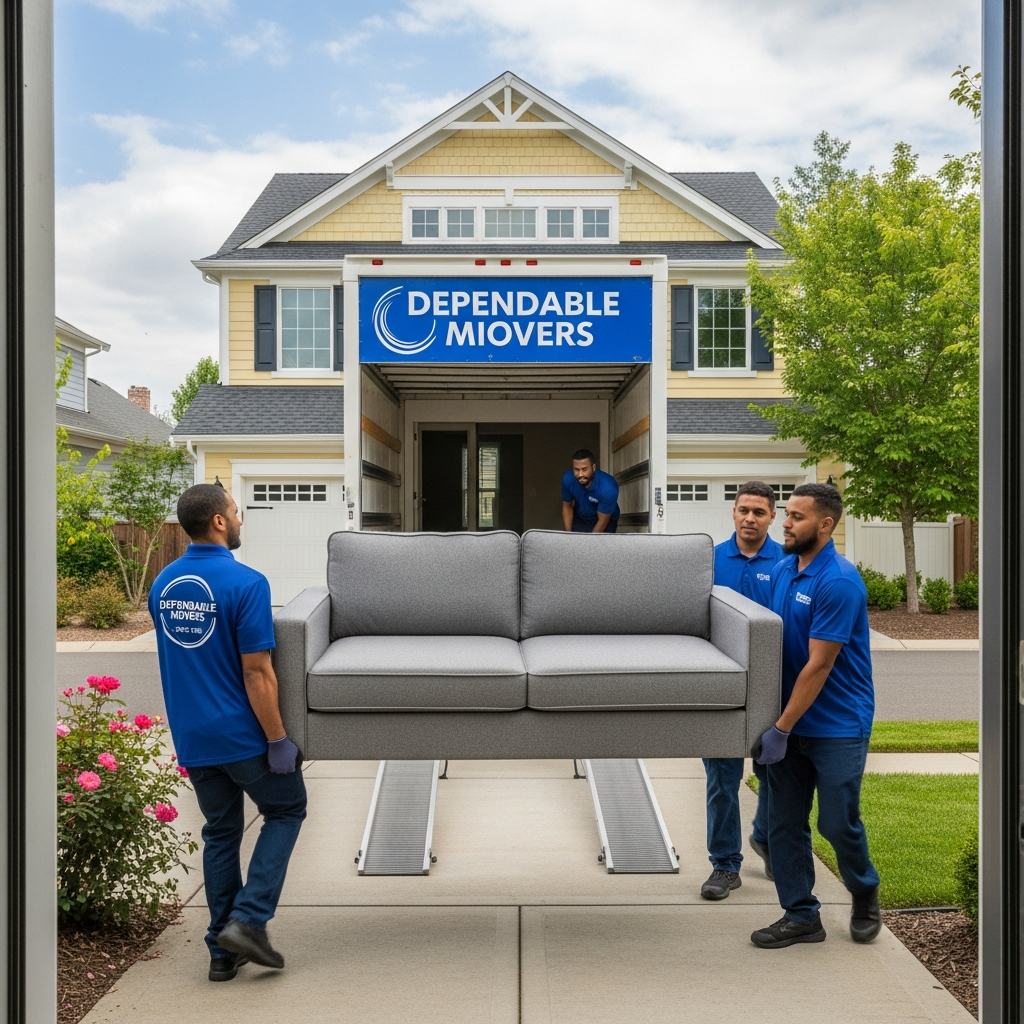
Picture this: You’re standing in your living room, surrounded by towers of cardboard boxes that seem to have multiplied overnight, and you’re wondering how on earth you accumulated so much… stuff. That lamp you haven’t turned on in three years? Somehow it needs to make the journey to your new place. The couch that required a small army to get up those stairs? Yeah, that’s got to come down them now.
And then it hits you – maybe it’s time to call the professionals.
But here’s the thing that keeps you scrolling through Google at 2 AM instead of just picking up the phone: you’re not entirely sure what a moving company actually *does*. Sure, they move your stuff (obviously), but what does that really mean? Do they just show up with a truck and start grabbing boxes? Are you supposed to have everything packed already? What about that massive sectional sofa that barely fit through your door five years ago?
You’re not alone in this confusion, by the way. Most of us only move every few years – if we’re lucky – so the whole process feels like learning a foreign language every single time. One friend swears by their movers who packed everything down to their salt shakers, while another tells horror stories about companies that showed up three hours late with a truck that was… let’s just say “smaller than advertised.”
The truth is, moving companies aren’t all created equal, and understanding what they actually do – versus what you think they do, or what that guy at work said they do – can mean the difference between a smooth transition and a day you’ll need therapy to forget.
Think about it this way: when you go to a restaurant, you wouldn’t just walk in and hope they figure out what you want to eat, right? You look at the menu first. Same principle applies here. Before you hand over your house keys and your sanity to strangers with a truck, it helps to know what’s actually on their menu of services.
Some moving companies are like those full-service restaurants where they do everything but chew your food for you. They’ll pack your great-grandmother’s china with the care of a museum curator, disassemble your furniture (and somehow remember how to put it back together), and even help you figure out where the couch should go in your new living room. Others are more like fast-casual spots – they’ll get the job done efficiently, but you’re doing your own prep work.
And then there are the… well, let’s call them the food trucks of the moving world. Not necessarily bad, but you want to know what you’re getting into before you commit.
Here’s what really matters, though – and why this isn’t just about avoiding a bad moving day: understanding what moving companies do helps you figure out what *you* need to do. Maybe you’re the type who finds packing therapeutic (bless you), or maybe the thought of wrapping dishes makes you break out in hives. Some people want to save money by doing the heavy lifting themselves, while others would happily pay extra to not touch a single box.
The thing is, there’s no right or wrong approach. There’s just what works for your situation, your budget, and your stress tolerance level.
Over the next few minutes, we’re going to walk through exactly what moving companies do – from the basic “load and haul” operations to the white-glove services that basically make you disappear from one house and magically appear in another. We’ll talk about what questions to ask (because “Do you move stuff?” isn’t going to cut it), what to expect on moving day, and how to avoid those nightmare scenarios that make for great stories later but terrible experiences in the moment.
Because here’s the real goal: by the time you’re done reading this, you’ll know exactly what to look for, what to ask for, and what to run from. You’ll be able to have an actual conversation with moving companies instead of just nodding along and hoping for the best.
Trust me, your future self – the one unpacking in your new home – will thank you for doing this homework now.
The Real Deal Behind Those Big Trucks
You know how everyone thinks they understand what moving companies do until they actually need one? It’s like assuming you know how to parallel park just from watching other people do it. Sure, the basics seem obvious – they show up, load your stuff, drive it somewhere else, unload. Done, right?
Not exactly. And honestly, I used to think the same thing until I started digging into this world. Turns out, there’s a whole ecosystem of services, regulations, and… well, let’s just say complications that most of us never see coming.
The Service Menu You Didn’t Know Existed
Here’s where it gets interesting (and slightly overwhelming). Moving companies aren’t just truck-driving muscle anymore. They’ve evolved into these full-service operations that can handle everything from packing your grandmother’s china to temporarily storing your life in a warehouse across town.
Full-service movers are like the concierge of relocation – they’ll pack, load, transport, unload, and even unpack if you want. Some will arrange your books alphabetically and hang your pictures. Others… well, others might leave you with a pile of boxes and a “good luck with that” wave.
Then there are labor-only services – think of them as the moving equivalent of hiring a personal trainer. They bring the expertise and muscle, but you’re providing the truck (usually a U-Haul you’ve rented separately). It’s cheaper, but you’re essentially the project manager of your own move.
Specialty movers focus on specific items – pianos, artwork, antiques, wine collections. These folks are like the surgeons of the moving world. They know exactly how to wrap a Steinway or crate a Picasso. Regular movers might know how to move a couch, but ask them to transport your great-aunt’s 200-year-old armoire? That’s when things get dicey.
The Geography Lesson You Never Asked For
This part always trips people up, and frankly, it’s more confusing than it needs to be. Moving companies are basically divided into camps based on how far they’re willing to haul your stuff.
Local movers typically work within a specific radius – maybe 50 to 100 miles from their home base. They know the area like the back of their hand, which streets have low-hanging branches, which apartment complexes have impossibly narrow staircases. They’re usually paid by the hour, which can be both a blessing and a curse depending on how efficiently they work.
Long-distance movers (sometimes called interstate movers) are the road warriors. They’re federally regulated, which means more paperwork, more rules, and – here’s the kicker – pricing that’s based on weight and distance rather than time. Moving from New York to California? You’re not paying for eight hours of work; you’re paying for 3,000 miles and however much your life weighs.
The weird middle ground is what some companies call “long-distance local” moves – like moving from one end of a large metropolitan area to another. It might be 200 miles, but you’re still technically local. These moves can fall into either category depending on the company, which is… well, it’s as confusing as it sounds.
The Regulatory Maze (Or: Why Everything Takes Paperwork)
Here’s something that caught me completely off guard – the moving industry is heavily regulated, especially for long-distance moves. The Department of Transportation doesn’t mess around when it comes to companies hauling people’s belongings across state lines.
Interstate movers need special licenses, insurance requirements that would make your head spin, and they have to provide you with something called “Your Rights and Responsibilities When You Move” – a booklet that’s about as exciting as it sounds but actually contains important stuff about what happens if your dining room table gets scratched.
Local moves? Different story entirely. Regulations vary wildly by state and even by city. Some places require licenses and insurance; others are basically the Wild West. It’s like the difference between flying commercial (lots of rules, safety checks, trained professionals) and hitching a ride with your neighbor’s pickup truck.
This regulatory split explains why some moving companies stick to local work while others specialize in long-distance hauls. The compliance requirements are completely different animals.
Getting the Most Bang for Your Buck
Here’s what most people don’t realize – moving companies are basically service buffets, and you’re paying whether you use everything or not. The smart move? Know exactly what you’re getting so you can skip what you don’t need and double down on what matters.
First thing: get multiple quotes, but don’t just compare the bottom line numbers. I’ve seen people choose the cheapest estimate only to get hit with surprise charges that would make your credit card weep. Ask each company to break down their pricing structure. Are they charging by weight, volume, or time? What triggers extra fees? That “small” staircase fee can balloon into serious money when you’re moving a three-bedroom house.
And here’s a insider tip – schedule your quote for late afternoon or early evening if possible. By then, the estimator has seen a full day of chaos and is usually more realistic (read: honest) about potential challenges and costs.
The Packing Paradox You Need to Know
Professional packing services seem like a luxury, right? Sometimes they’re actually the smartest financial move you’ll make. Think about it – if you’re paying movers by the hour and they show up to find you’ve packed your dishes like a game of Jenga… well, that’s going to cost you.
But here’s the thing: you don’t need to go all-or-nothing. Most companies offer partial packing services. Have them handle the nightmare stuff – kitchen, artwork, electronics – while you tackle clothes and books. Your wine glasses will thank you, and your wallet won’t hate you.
Pro tip that saved my neighbor hundreds: if you’re doing your own packing, ask the moving company what supplies they recommend and where to get them cheaper. They’ll often tell you about wholesale suppliers or even sell you materials at cost. Those “free” boxes from the liquor store? They’re great for books, terrible for anything fragile.
Timing is Everything (And I Mean Everything)
Want to know the worst-kept secret in the moving industry? Everyone wants to move on weekends and at the beginning or end of the month. Everyone. Which means if you can swing a Tuesday afternoon in the middle of March… you’ve basically won the lottery.
I’m not saying it’s always possible – trust me, I get it. But even small adjustments can save you serious money. Moving on Thursday instead of Saturday? Could knock 20% off your bill. Avoiding the summer rush entirely? Even better.
And here’s something that’ll make you feel better about those February blues – winter moves often come with the deepest discounts. Sure, it’s cold, but your moving crew will be grateful for the work, and you’ll be grateful for the savings.
The Insurance Maze (It’s Simpler Than They Make It Sound)
Basic liability coverage sounds official, but it’s basically useless – we’re talking 60 cents per pound. Your grandmother’s antique armoire gets destroyed? You might get enough to buy a TV dinner.
Full replacement coverage costs more upfront, but here’s what nobody tells you: check your homeowner’s or renter’s insurance first. Many policies cover belongings during moves, and it might be cheaper to temporarily boost your coverage than pay the moving company’s premium.
Actually, that reminds me – document everything before the movers arrive. Photos, videos, that weird scratch on your dresser that’s been there for years. Because if something does go wrong, you’ll want proof of the “before” condition.
Communication That Actually Works
Most moving disasters boil down to one thing: terrible communication. The day before your move, call to confirm timing, crew size, and any last-minute details. Not an email – an actual phone call where you can hear a human voice tell you “Yes, we know about the piano on the third floor.”
Keep the moving supervisor’s direct number handy, and don’t be shy about speaking up if something feels off. These crews handle moves every day, but it’s probably your biggest move in years. They get it.
And finally – this sounds obvious but bears repeating – be present on moving day if at all possible. Not hovering, not micromanaging, just… there. Your stuff matters to you in ways it simply can’t matter to strangers, no matter how professional they are.
Trust the process, but stay engaged. It’s your life in boxes, after all.
When Everything Goes Sideways (And It Often Does)
Let’s be honest – moving is messy. Not just literally (though you’ll definitely find that mystery stain behind your couch), but logistically too. Even the best-planned moves hit snags, and knowing what might go wrong… well, it won’t prevent everything, but it’ll keep you from completely losing it when things get weird.
The Stuff They Can’t Move (And Why That Matters)
Here’s something that catches people off guard: moving companies won’t transport everything. Hazardous materials are obvious – paint, propane tanks, fireworks from last July 4th. But did you know most movers won’t take plants either? Or that bottle of expensive wine you’ve been saving?
The solution isn’t to sneak these items into boxes (seriously, don’t). Instead, make two lists early on: what you’re moving yourself and what you’re leaving behind. For plants, consider giving them to friends a few days before the move – think of it as plant-sitting with adoption papers. For alcohol, well… that’s what friends and farewell parties are for.
Actually, that reminds me – perishables are another gotcha. Your freezer full of ice cream isn’t making the trip. Plan a “use it up” week before moving, or accept that you’re about to become very popular with your neighbors.
The Great Scheduling Shuffle
Moving companies work on tight schedules, but life doesn’t always cooperate. Your closing gets delayed, the previous tenant hasn’t moved out, or – my personal favorite – the elevator in your new building breaks down on moving day.
The trick is building buffer time into everything. If you need to be out by the 15th, schedule your move for the 13th or 14th if possible. Yeah, it might mean an extra night in a hotel, but it’s cheaper than paying movers to sit around while you sort out your closing documents.
And speaking of elevators… reserve them early at both locations. Building management needs notice, and you don’t want to discover you’re carrying a couch up six flights because someone else booked the freight elevator.
Money Mysteries and Hidden Costs
This one stings because it always feels like a surprise, even when it shouldn’t. Your estimate was $2,000, but suddenly you’re looking at $2,800. What happened?
Often, it’s the extras nobody thought about. Packing materials, long carries (your apartment is 150 feet from where the truck can park), stairs, or that massive entertainment center that needs three extra guys to move safely.
The solution? Ask specific questions during your estimate. “What’s not included in this price?” is magic. Also, get that estimate in writing and understand whether it’s binding or just a guesstimate. Non-binding estimates can shift – sometimes dramatically.
Keep some extra cash available, but don’t be a pushover either. If costs are ballooning beyond reason, ask for explanations. Good movers will walk you through the charges.
The Communication Black Hole
You call the moving company. They don’t call back. You don’t know when they’re arriving, who’s coming, or whether they even remember you exist. It’s like dating, but worse because your entire life is in boxes.
Here’s the thing – moving companies are often juggling dozens of moves. You’re important to them, but you’re not their only concern. Combat this by being proactive. Get direct contact info for your crew leader, not just the main office. Confirm details a few days before, then again the night before.
And yes, it’s okay to be that person who texts for updates. Better to be slightly annoying than completely in the dark.
When Stuff Breaks (Because Sometimes It Will)
Despite everyone’s best efforts, things get damaged. Maybe it’s your grandmother’s mirror, maybe it’s just a cheap lamp – but it still hurts when you’re unpacking and find pieces.
Document everything before the move with photos. Not just valuable items – everything. It feels excessive, but insurance claims are much easier with proof of condition. And when movers arrive, do a walkthrough together, noting any existing damage to walls or items.
Most importantly, check your homeowner’s or renter’s insurance. Moving company coverage is usually pretty basic – often just 60 cents per pound. Your grandmother’s 2-pound mirror might net you $1.20. Your regular insurance might cover more.
The real solution? Accept that some breakage might happen and pack your truly irreplaceable items to move yourself. Yeah, it’s extra work, but peace of mind is worth the trunk space.
What to Expect When You Book Your Move
Here’s the thing about moving companies – they’re not miracle workers, and honestly? That’s probably a good thing. You don’t want someone promising to pack your entire three-bedroom house in two hours… that’s how your grandmother’s china ends up looking like a jigsaw puzzle.
Most reputable movers will give you a realistic timeline during your initial consultation. For a typical local move (we’re talking same city or nearby), you’re usually looking at anywhere from 4-8 hours, depending on how much stuff you’ve accumulated over the years. And trust me, we all have more stuff than we think we do.
Long-distance moves? That’s a whole different animal. Your belongings might be on the road for several days to a couple of weeks, depending on the distance and whether you’re getting exclusive truck service or sharing space with other families’ moves. I know – waiting two weeks to see your couch again feels like forever, but that’s actually pretty standard in the industry.
The Reality of Moving Day Chaos
Let me paint you a picture of what moving day actually looks like, because it’s probably not what you’re imagining. First, the crew will likely arrive earlier than you expect – movers tend to start their days when the rest of us are still hitting the snooze button. They’ll do a quick walkthrough, sometimes adjusting the estimate if you’ve had a few “oh, I forgot about that storage room” moments.
The packing phase (if you’ve hired them to pack) can feel painfully slow at first. You’re thinking, “Why is it taking twenty minutes to wrap up my kitchen?” But here’s what you’re not seeing – they’re creating a fortress of bubble wrap and paper around your stuff. That methodical approach? It’s the difference between your dishes arriving intact and… well, not.
The loading process is where things start to feel real. Watching your life get loaded onto a truck is oddly emotional – don’t be surprised if you feel a little overwhelmed. That’s completely normal. Actually, I’d be more concerned if you didn’t feel something watching your favorite armchair disappear into a truck.
Communication During Your Move
Good moving companies will keep you in the loop, but don’t expect hourly updates. For local moves, you’ll probably get a heads-up when they’re leaving your old place and when they expect to arrive at the new one. For long-distance moves, many companies provide tracking information – though it’s not as precise as your Amazon delivery updates.
If something goes wrong (and sometimes things do go wrong – a truck breaks down, weather delays things, your new building’s elevator decides to take a vacation), a decent company will reach out proactively. Radio silence is usually not a good sign.
After the Truck Drives Away
Once everything’s unloaded, you’re not quite done yet. Most companies will ask you to do a quick inventory check before their crew leaves. This is your chance to note any obvious damage or missing items. I know you’re exhausted and just want to collapse on your couch (if you can find it), but this step matters.
You’ll typically have a window – usually 24-48 hours – to report any damage you discover while unpacking. Take photos, keep good records. Most moving companies carry insurance, but you’ll need documentation to file claims.
Setting Realistic Expectations for Yourself
Here’s something nobody tells you about moving – you’re going to find boxes labeled “miscellaneous junk” three months later and have absolutely no memory of packing them. You’re going to discover that your “essential items” box somehow ended up containing winter coats and Christmas decorations instead of, you know, essentials.
Plan for at least a week of living out of boxes before you start feeling settled. That’s normal. If you’re feeling organized and unpacked after three days, you’re either superhuman or you didn’t own much stuff to begin with.
The good news? Once you’ve been through a professional move, you’ll have a much better sense of what to expect next time. And hopefully, there won’t be a next time for a while – but if there is, you’ll know exactly what questions to ask and what timeline to expect.
Your Next Move Forward
Here’s the thing about moving companies – they’re not just about hauling your stuff from point A to point B. Sure, that’s part of it, but you’re really paying for peace of mind, expertise, and… honestly? Your sanity.
Think about it this way: when you hire professionals, you’re getting people who’ve literally done this thousands of times. They know which boxes to pack first (the stuff you won’t need for weeks), how to wrap your grandmother’s china so it survives the journey, and – perhaps most importantly – they understand the weird logistics of getting a couch through a doorway that seemed plenty big when you bought it.
The insurance piece alone makes it worth considering. I mean, when you’re moving your own stuff and something breaks, you’re out of luck. When professionals are handling it? You’ve got coverage. That’s not just about money – that’s about not having to replace irreplaceable things.
But here’s what really gets me… it’s the time factor. Moving yourself means weeks of preparation, renting trucks (have you ever tried to reverse one of those things?), bribing friends with pizza, and then spending your first few days in your new place hobbling around because you definitely shouldn’t have tried to carry that dresser by yourself.
Professional movers compress all that chaos into a manageable process. They show up, they work their magic, and suddenly you’re in your new place with everything intact and your back still functional. You actually get to enjoy those first moments in your new home instead of collapsing in an exhausted heap surrounded by boxes.
The specialty services these companies offer can be real lifesavers too. Need your piano moved? They’ve got equipment for that. Moving across the country? They understand the timing, the regulations, the whole complex dance of long-distance relocations. Storage needs? Covered.
And let’s be real – sometimes life throws curveballs. Maybe you’re dealing with a sudden job transfer, or helping elderly parents downsize, or managing a move while juggling work deadlines. Having professionals handle the heavy lifting (literally and figuratively) means you can focus on the emotional and logistical aspects that actually need your attention.
The best moving companies don’t just move your belongings – they help transition your life. They understand that behind every box labeled “kitchen stuff” are the memories of family dinners, behind every wrapped picture frame are moments you’re carrying forward to your new chapter.
If you’re facing a move and feeling overwhelmed by everything involved, know that you don’t have to figure it all out alone. Whether you’re planning ahead or dealing with a last-minute situation, reaching out to experienced professionals can transform what feels like an impossible task into a manageable process.
Don’t hesitate to ask questions, get quotes, or simply talk through your specific situation. Most reputable companies offer free consultations and are genuinely interested in helping you find the right solution – even if that means being honest about whether you actually need their services or could handle certain aspects yourself.
Your move is important, and you deserve support through the process. Take that first step and make a call – you might be surprised how much lighter everything feels once you’ve got the right team in your corner.