Residential Movers vs DIY Moving: Which Is Better?

You’re standing in your living room at 2 AM, surrounded by half-packed boxes and that couch that seemed so much lighter when you bought it five years ago. Your back’s already protesting, you’ve got approximately 47 rolls of bubble wrap scattered across the floor, and you’re starting to question every life choice that led to this moment. Sound familiar?
Here’s the thing – we’ve all been there. That moment when moving day transforms from “how hard can it be?” to “why didn’t I just hire professionals?” It’s like deciding to cut your own hair… sure, it seems doable until you’re holding scissors and suddenly realize you have no idea what you’re doing.
The great moving debate isn’t really about boxes and trucks, though. It’s about something much deeper – it’s about control versus convenience, money versus sanity, and that eternal struggle between wanting to save a buck and wanting to preserve what’s left of your weekend (and your friendships, because let’s be honest, asking friends to help you move is basically testing the limits of your relationships).
I’ve watched countless people wrestle with this decision, and trust me, there’s no universal right answer. Your best friend swears by her moving company – “Best money I ever spent!” – while your cousin insists DIY is the only way to go. “It’s not rocket science,” he says, conveniently forgetting to mention the three trips to Home Depot, the rental truck drama, and the mysterious scratch on his dining room table that definitely wasn’t there before.
The truth is, both approaches have their merits… and their pitfalls. Professional movers bring expertise, equipment, and insurance – but they also bring a price tag that might make your wallet weep. DIY moving offers complete control and significant savings, but it also means you’re responsible for literally everything that could go wrong. And oh, the things that can go wrong…
Maybe you’re sitting here because you’ve got a move coming up and you’re genuinely torn. Perhaps you’re naturally frugal and the idea of paying someone else to do something you *could* do yourself feels wrong. Or maybe you’re the type who values convenience and you’re wondering if hiring professionals is worth the investment. Either way, you’re probably looking for someone to tell you what makes sense for your specific situation.
That’s exactly what we’re going to figure out together.
We’ll walk through the real costs – not just the obvious ones like truck rentals and hourly rates, but the hidden expenses that catch people off guard. Things like the cost of packing materials (seriously, when did cardboard boxes become so expensive?), potential damage to your belongings or property, and yes, even the pizza-and-beer tab for your volunteer moving crew.
We’ll also dig into the time factor, because let’s face it – your time has value too. How much is a stress-free Saturday worth to you? What about avoiding that inevitable argument with your spouse about whether the dresser fits through the doorway? (Spoiler alert: it doesn’t, and one of you is going to have to admit you were wrong about the measurements.)
Then there’s the logistics piece that nobody talks about until they’re living it. Professional movers have dollies, straps, and techniques for getting a refrigerator down three flights of stairs without destroying the stairwell. They know which items need special handling and they’ve mastered the art of Tetris-ing furniture into trucks. Meanwhile, DIY movers often discover these challenges in real-time… usually when something expensive is teetering precariously.
But here’s what I really want to explore with you – the factors that should actually drive your decision. Your budget, obviously, but also your timeline, the complexity of your move, your physical capabilities, and honestly, your stress tolerance. Some people thrive on the challenge and satisfaction of handling everything themselves. Others would rather pay for peace of mind and spend their energy settling into their new home instead of nursing sore muscles and wounded pride.
By the time we’re done here, you’ll have a clear framework for making this decision based on your unique situation. No generic advice, no one-size-fits-all recommendations – just practical insights to help you choose the approach that makes the most sense for you, your budget, and your sanity.
The Real Deal: What We’re Actually Comparing
You know how everyone says “moving is one of life’s most stressful events”? Well, they’re not wrong – but the stress level can vary wildly depending on which path you choose. It’s kind of like comparing a home-cooked meal to ordering takeout. Both get you fed, but the process, cost, and results? Completely different experiences.
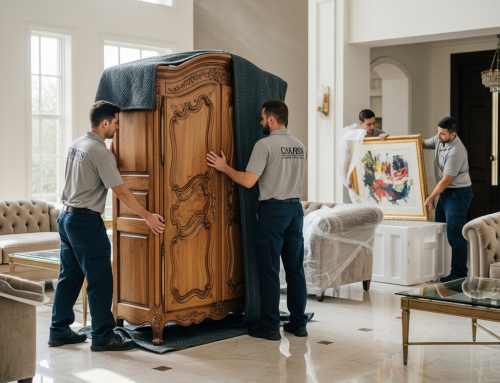
When we talk about residential movers, we’re looking at professional moving companies that handle everything from wrapping your grandmother’s china to maneuvering that awkwardly-shaped couch down three flights of stairs. These folks show up with trucks, equipment, and (hopefully) the kind of experience that comes from moving thousands of households.
DIY moving, on the other hand, is exactly what it sounds like – you’re the star, director, and entire crew of your moving production. You rent the truck, gather your friends (or bribe them with pizza), and handle every single detail yourself.
The Money Question Everyone’s Really Asking
Here’s where things get interesting – and honestly, a bit confusing. Most people assume DIY moving is automatically cheaper. Makes sense, right? Cut out the middleman, save the cash.
But it’s not always that simple. Professional movers might quote you $2,000 for a local move, while a DIY approach could run $500-800 when you factor in truck rental, gas, equipment, and supplies. Seems like a no-brainer until you start adding the hidden costs…
That back injury from lifting your washer wrong? The scratched hardwood floors because you didn’t know how to properly use furniture sliders? The extra day off work because everything took twice as long as expected? Suddenly that “savings” starts looking different.
Actually, that reminds me – most people completely underestimate the time factor. Professional movers might knock out your entire move in 6-8 hours. Your DIY weekend warrior approach? Could easily stretch into a multi-day marathon that leaves you questioning your life choices.
What Professional Movers Actually Bring to the Table
Beyond just muscle and a big truck, professional movers come with something you can’t easily replicate: systems. They’ve got the right equipment – dollies that actually work, blankets specifically designed for protecting furniture, straps that don’t snap under pressure.
But here’s what’s really valuable – they know how to Tetris your entire life into a truck efficiently. You might spend an hour figuring out how to fit your dining room table through the doorway. They’ve solved that puzzle a thousand times before.
The insurance aspect is huge too, though it’s one of those things people don’t think about until something goes wrong. Professional movers carry liability coverage and offer additional protection options. When you’re doing it yourself, you’re essentially self-insuring against damage, loss, or injury.
The DIY Reality Check
Let’s be honest about what DIY moving really involves. It’s not just loading boxes into a truck – though even that’s trickier than it looks. You’re also the project manager, equipment rental specialist, and logistics coordinator.
You’ll need to research truck sizes (spoiler alert: everyone underestimates how big a truck they need), figure out what additional equipment to rent, coordinate timing with multiple parties, and somehow become an expert at protecting your belongings during transport.
The physical demands are real too. Even if you’re reasonably fit, moving involves sustained lifting, awkward positions, and repetitive motions that can leave you feeling like you’ve been hit by that very truck you just spent the day loading.
The Gray Areas Nobody Talks About
Here’s where it gets murky – hybrid approaches. Maybe you hire movers for the heavy furniture but handle boxes yourself. Or you pack everything but let professionals do the actual moving day logistics. These middle-ground options can sometimes give you the best of both worlds… or the worst, depending on how well you coordinate everything.
Distance matters enormously too. A local move where you can make multiple trips in your own car? That’s a different beast than a cross-state relocation where everything needs to fit perfectly in one truck, one time.
The seasonal factor is another wrinkle – summer moves cost more with professionals, but DIY truck rentals spike too. Supply and demand affects everyone, just differently.
When Your Budget’s Screaming “DIY” But Your Back’s Whispering “Help”
Look, I get it. You’re staring at moving quotes that make your mortgage payment look reasonable, and suddenly renting a U-Haul seems like pure genius. But here’s the thing – and I learned this the hard way after throwing out my back moving a dresser that definitely needed three people – there’s a sweet spot between “hire everyone” and “do everything yourself.”
Try the hybrid approach. Hire movers for the heavy stuff (couches, appliances, that antique armoire your grandmother insisted you take) but handle the boxes yourself. Most companies offer labor-only services where they bring the muscle, you provide the truck. You’ll cut costs by maybe 40% while keeping your spine intact.
The Real Cost Calculator Nobody Talks About
Before you commit to either route, grab a piece of paper and write down the *actual* costs – not just the obvious ones.
For DIY, you’re looking at: truck rental (which jumps on weekends), gas, insurance, packing supplies, pizza for your “volunteer” friends, potentially hotel stays if it’s long-distance, and – this one always gets people – time off work. That Tuesday move means lost wages for most folks.
Professional movers? Add potential tips (usually 10-15% of the total), storage fees if there’s a delay, and insurance upgrades if you’ve got valuable stuff. But here’s what they don’t tell you – many companies offer discounts for off-peak times. Moving on a Wednesday in February? You might save 30%.
The 48-Hour Test That’ll Save Your Sanity
Two days before your move, do this: set a timer for 2 hours and pack one room completely. Everything. Clean it out, box it up, label it.
If you’re exhausted, frustrated, or your boxes look like they were packed by a caffeinated squirrel… maybe it’s time to reconsider the DIY route. This little test has saved countless people from moving day meltdowns.
Friends Don’t Let Friends Move Pianos
There are some things – and I cannot stress this enough – that should never be moved by amateurs. Pianos, gun safes, aquariums, anything with freon, and antiques worth more than your car. Just don’t.
I once watched three grown men try to move a baby grand piano down stairs. It didn’t end well for anyone involved (especially the stairs). Some things are worth the professional fee, even if you’re doing everything else yourself.
The Packing Timeline That Actually Works
Start six weeks out – not six days. Here’s the secret timeline that pros use
Six weeks before: Order supplies and start with stuff you never use (holiday decorations, books, that bread maker you swore you’d use more).
Four weeks: Non-essential items in every room. You’ll be shocked how much you can live without.
Two weeks: Everything except absolute essentials. This is when most people panic and realize they’ve waited too long.
Moving week: Just the basics you need to survive. Think camping-level minimalism.
Reading Between the Lines of Moving Quotes
Professional estimates should be detailed – like, scary detailed. If someone gives you a ballpark figure over the phone without seeing your stuff, run. Good movers want to know about everything from your book collection to whether you’ve got a hot tub.
Watch for red flags: no written estimate, demands for large upfront payments, no local address or license number, or prices that seem too good to be true. That bargain basement quote often turns into a hostage situation where your stuff sits on a truck until you pay extra fees.
The Insurance Reality Check
Your homeowner’s or renter’s insurance probably doesn’t cover moving damage – most people find this out the hard way. With professional movers, you’ve got options (basic coverage is usually included, but it’s minimal).
DIY movers? You’re flying solo unless you specifically add coverage. That rental truck insurance everyone skips? It might be worth it if you’re moving anything irreplaceable.
Making the Call
Here’s my honest take: if you’re young, healthy, have reliable friends, and you’re moving locally with mostly standard furniture… DIY can work beautifully.
But if you’re dealing with a long-distance move, have physical limitations, own anything particularly valuable or awkward, or your timeline’s tight? The stress of professional movers might actually be worth every penny.
The best moves happen when you’re honest about your limitations – both physical and logistical.
The Hidden Costs That Nobody Warns You About
Here’s what really gets people – it’s not just the truck rental fee that matters. With DIY moving, you’re looking at gas (and trust me, those trucks are thirsty), tolls, insurance, packing supplies, equipment rentals, and probably a few meals for your helpers. Oh, and the inevitable trip to urgent care when someone tweaks their back… that adds up fast.
Professional movers seem expensive upfront, but they’re including labor, equipment, insurance, and expertise in one price. The real challenge? Getting accurate quotes. Some companies lowball initially, then hit you with surprise fees on moving day. Solution: Get everything in writing, ask specifically about stairs, long carries, and storage fees. And yes, get at least three quotes – I know it’s tedious, but it’s worth it.
When Your Friends Suddenly Get “Busy”
Let’s be real about DIY moving help. Your brother-in-law was totally in… until he remembered he has that thing that weekend. Your college buddies were excited to help until they realized it meant starting at 7 AM on a Saturday.
Even when people do show up, there’s the skill gap issue. Your friend Sarah might have great intentions, but she’s never loaded a truck efficiently or carried a couch down two flights of stairs. You end up being the project manager, teacher, and heavy lifter all at once.
The solution isn’t just having backup plans (though definitely have those). Set clear expectations upfront – tell people exactly what time you’re starting, how long you expect it to take, and what the work involves. Provide food, drinks, and maybe even small thank-you gifts. Actually, scratch that – definitely provide pizza and beer. It’s the unspoken moving help currency.
The Stuff You Never Thought Would Break
With professional movers, you’re covered if they drop your grandmother’s china cabinet. With DIY moving? That’s on you. And somehow, it’s always the irreplaceable items that get damaged – never the stuff you were secretly hoping to leave behind.
The emotional toll of breaking something precious during your own move is… well, it stings differently than if movers did it. You can’t even be properly angry at anyone.
Your best defense is realistic packing expectations. Those family heirlooms and fragile electronics? Maybe transport those yourself in your car, even if it means multiple trips. For everything else, invest in quality packing materials – not just whatever boxes you scrounged from the liquor store. Professional-grade moving blankets, proper dish packs, and bubble wrap are worth the extra cost.
The Physical Reality Check
Here’s something nobody mentions in those cheerful DIY moving guides: most of us are not in “move a three-bedroom house” shape. You might hit the gym regularly, but moving furniture is a different beast entirely. It’s awkward angles, sustained effort, and repetitive strain on muscles you forgot you had.
Professional movers do this every day. They know how to lift properly, work efficiently, and avoid injury. When you’re doing it yourself… well, Monday morning is going to be rough.
Start preparing weeks before your move – not just logistically, but physically. Do some extra stretching, maybe add some functional strength training. On moving day, pace yourself, take breaks, and don’t try to be a hero with that massive dresser. Sometimes it really does take three people, not just your stubborn determination.
Decision Paralysis and Timing Stress
The hardest part about choosing between DIY and professional moving might just be making the decision itself. You’ll second-guess everything – Am I being lazy by hiring movers? Am I being stupid by not hiring movers?
Then there’s the timing pressure. Good moving companies book up weeks or months in advance, especially during peak season (basically May through September). DIY moving gives you more flexibility… until you realize the truck rental place is also booked solid.
Start your research early – at least six weeks before your move date. Get professional quotes even if you’re leaning DIY, just to have the numbers. And remember, you can always do a hybrid approach: hire movers for the heavy stuff and handle the boxes yourself, or rent a truck but hire day laborers to help with loading.
The “right” choice depends on your budget, timeline, physical capabilities, and honestly… your tolerance for stress. There’s no shame in either direction.
Setting Realistic Expectations – Because Moving Isn’t a Netflix Movie
Here’s the thing about moving expectations – most of us base them on either that one friend who “moved their entire apartment in three hours” or those satisfying time-lapse videos on social media. Neither one reflects reality.
If you’re going the professional route, expect the process to take longer than quoted. I know, I know – that’s not what you want to hear. But here’s why: estimates are based on ideal conditions. Your movers quoted you for a Tuesday afternoon move assuming clear weather, available parking, and that mysterious box labeled “miscellaneous” actually containing miscellaneous items… not your collection of vintage cast iron cookware.
A typical local move with professionals usually runs 20-30% longer than the initial estimate. That “four-hour move” often becomes five or six hours. It’s not incompetence – it’s just life happening. Your apartment building’s elevator breaks down, it starts raining, or (and this is my personal favorite) you discover that your couch actually *won’t* fit through the doorway despite measuring it three times.
The DIY Timeline Reality Check
DIY moves? Oh boy. Triple whatever timeline you’re thinking. Seriously.
You know that feeling when you think you’ll clean your entire house in two hours, but somehow it takes all weekend? Moving is like that, but with heavy furniture and a rental truck that costs money by the hour.
Most people underestimate the sheer physical exhaustion factor. After loading boxes for two hours, you’re not moving at the same pace you started with. Your enthusiasm wanes right around the time you realize you still have to disassemble that bed frame… and you can’t find the Allen wrench.
Plan for at least two full days for a DIY move, even if you’re just moving across town. Day one becomes the “loading and crying” day. Day two is for actually moving stuff and wondering why you own so many books.
What Normal Looks Like (Spoiler: It’s Messier Than You Think)
Let me paint you a picture of what normal actually looks like, because social media has really done a number on our expectations here.
With professional movers: You’ll probably change clothes twice because you’ll get sweaty and dirty despite not doing the heavy lifting. Something will get a small ding – usually something you didn’t think to worry about. The movers will ask you approximately 47 questions you didn’t anticipate. (“Ma’am, do you want us to wrap this… kitchen sponge?”) You’ll tip more than you planned because these people just carried your refrigerator up three flights of stairs and somehow made it look easy.
DIY moving: You’ll make at least three additional trips to the hardware store for supplies you forgot. Someone will get frustrated (probably you). That one friend who promised to help will bail last minute, leaving you with your cousin’s boyfriend who’s never lifted anything heavier than a gaming controller. You’ll eat way too much pizza and feel simultaneously accomplished and completely drained.
Both scenarios? You’ll unpack boxes for the next six months and wonder where half your stuff went.
Your Next Steps – The Practical Stuff
Okay, so you’ve decided which route to take. Now what?
If you’re hiring professionals: Start getting quotes at least 4-6 weeks out, especially during summer months or around holidays. Don’t just go with the cheapest option – that’s like buying discount parachutes. Ask about insurance coverage, what happens if they’re late, and whether they charge for things like stairs or long carries from the truck.
Get everything in writing. I mean *everything*. That casual conversation about them wrapping your grandmother’s china? If it’s not on paper, it didn’t happen.
Going DIY? Reserve your truck earlier than you think you need to. Seriously – those things get booked up, especially on weekends. Start collecting boxes now (liquor stores are goldmines for sturdy boxes, by the way).
Begin the purge process immediately. Every item you don’t move is one less item to pack, carry, and unpack. Marie Kondo was onto something, even if her methods feel a bit intense when you’re staring at a closet full of clothes you haven’t worn since 2019.
Managing the Mental Game
Here’s what no one tells you: the hardest part isn’t the physical stuff – it’s managing your own expectations and emotions.
Moving is inherently chaotic. Even the most organized person becomes a frazzled mess when faced with dismantling their entire life and rebuilding it somewhere else. That’s normal. You’re not failing if you feel overwhelmed by the process.
Give yourself permission to be imperfect. Your new place doesn’t need to look like a magazine spread on day one… or day thirty, for that matter. Focus on getting the essentials sorted first – bed, coffee maker, shower curtain. Everything else can wait.
The most important thing? Be flexible. Whether you’re directing professional movers or muscling through it yourself, something will go differently than planned. And you know what? That’s okay. Sometimes the best stories come from the things that don’t go according to plan.
Finding Your Sweet Spot
Here’s the thing – there’s no universal “right” answer here. I know, I know… you probably wanted me to definitively tell you which option is better. But honestly? The best choice is the one that fits your specific situation, budget, and stress tolerance.
If you’re someone who genuinely enjoys organizing, has reliable friends with strong backs, and feels energized by taking control of every detail, then a DIY move might be exactly what you need. There’s something deeply satisfying about packing your life into boxes with your own hands and knowing exactly where everything is.
On the flip side, if you’re already juggling work deadlines, family responsibilities, or health concerns – or if the thought of lifting your couch makes your back ache preemptively – professional movers could be worth every penny. Think of it as buying back your time and sanity.
And you know what? There’s also a middle ground that many people overlook. Maybe you hire movers just for the heavy furniture but pack everything else yourself. Or perhaps you rent a truck but recruit professional help for loading day. Sometimes the best solution isn’t choosing one side completely.
What Your Body Is Telling You
As someone who talks with people about health and wellness every day, I can’t ignore this part – moving is physically demanding. Really demanding. If you’re dealing with chronic pain, recent injuries, or you’re simply not in the best shape right now, please don’t let pride or budget concerns push you into something that could set back your health goals.
I’ve seen too many people throw out their backs during a DIY move, then spend weeks recovering instead of settling into their new space. That’s not saving money – that’s just shifting the cost from your wallet to your wellbeing.
You Don’t Have to Figure This Out Alone
Listen, whether you’re planning a move or thinking about other big life changes – like finally prioritizing your health – remember that asking for help isn’t a sign of weakness. It’s actually pretty smart.
If you’ve been putting off taking care of yourself because everything else seems more urgent (sound familiar?), maybe this move is the perfect time to make some other positive changes too. A fresh start in a new place often opens up mental space for fresh starts in other areas of life.
Moving can be overwhelming, but so can starting a health journey. The good news? You don’t have to tackle either one by yourself. We’re here to support people through all kinds of transitions – whether that’s finding the right approach to sustainable weight loss or just having someone to talk through your concerns with.
If you’re feeling stuck or overwhelmed – about moving, about your health, or about anything else – reach out. Sometimes a quick conversation can help clarify things in ways that endless internet research just can’t. We get it, and we’re here to help you figure out what works best for your life right now.
No pressure, no sales pitch. Just real people who understand that big changes feel a lot less scary when you’ve got support.